Unlock the Magic of Homemade Bubble Tea
There’s an undeniable allure to bubble tea, that iconic beverage brimming with chewy tapioca pearls, refreshing tea, and creamy milk. While grabbing a cup from your favorite shop is always a treat, imagine the satisfaction of crafting your very own homemade boba tapioca pearls bubble milk tea right in your kitchen. It's not only a surprisingly simple and rewarding experience but also offers unparalleled customization, often at a fraction of the cost. Whether you're a long-time boba enthusiast or a curious newcomer, this comprehensive guide will walk you through everything you need to know to whip up delicious, cafe-quality bubble tea with ease.
The Heart of Bubble Tea: Perfecting Homemade Boba Tapioca Pearls
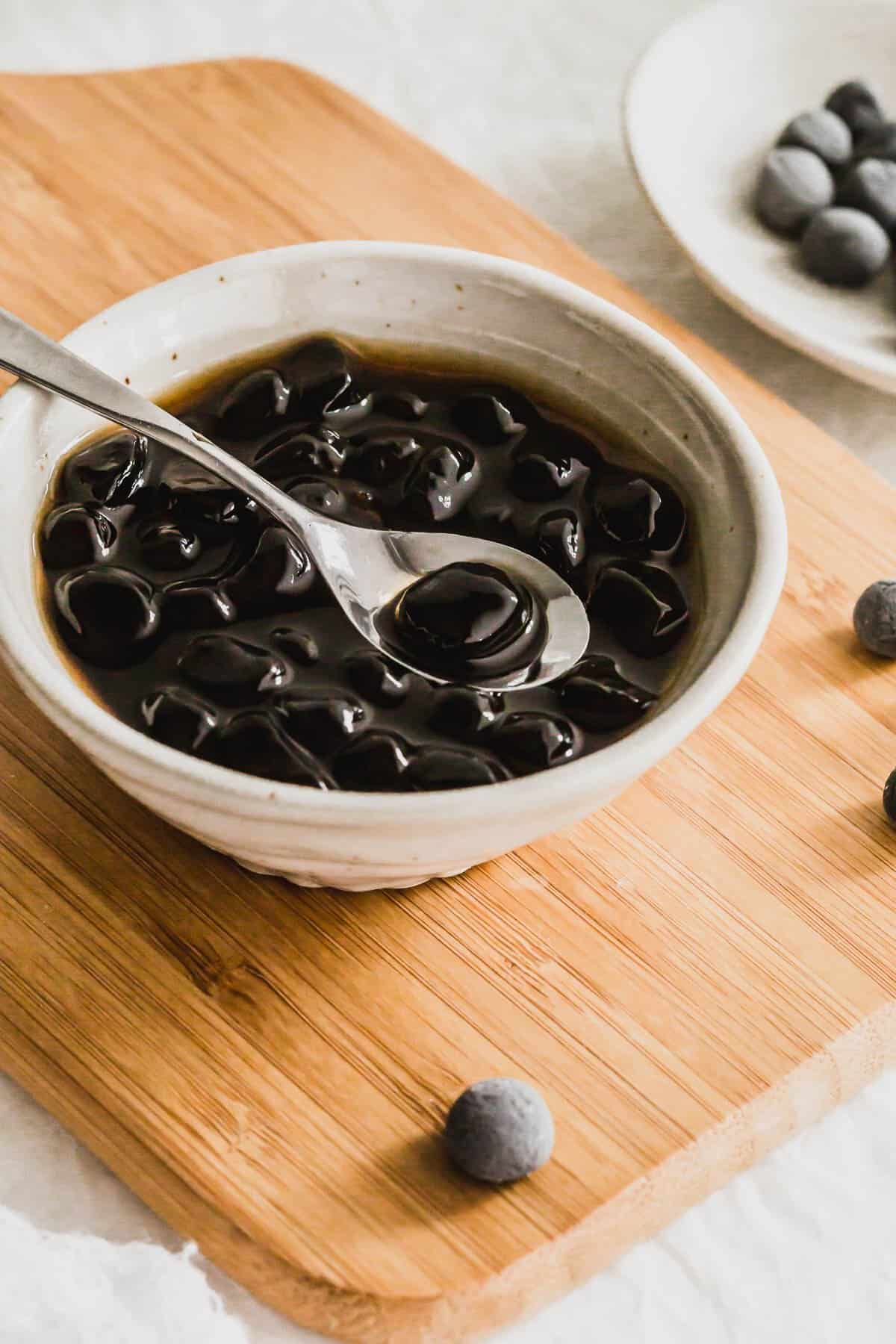
The chewy, sweet "bubbles" – or boba – are what make bubble tea truly unique. While they might seem intimidating to prepare, cooking tapioca pearls at home is remarkably straightforward. The key lies in understanding the different types of pearls and their specific cooking requirements. Always prioritize the instructions on your boba package, as cooking times and methods can vary significantly between brands and pearl types.
The Reliable 30 & 30 Method for Chewy Perfection
If your package of tapioca pearls comes without explicit instructions, or if you're working with a new brand, the "30 & 30 method" is your trusted starting point. This technique, which involves 30 minutes of cooking followed by 30 minutes of resting, has proven effective for a wide range of tapioca pearls, including many white varieties. It’s a method designed to gently cook the pearls through, ensuring a delightful chewiness from center to edge. For an in-depth look at this method and troubleshooting tips, be sure to read our dedicated guide: Master Homemade Boba: The 30 & 30 Method for Perfect Tapioca Pearls.
Step-by-Step 30 & 30 Cooking Guide:
- Prepare Your Water: In a large pot, bring a generous amount of water to a rolling boil. A good rule of thumb is about ten cups of water for every ½ cup of dried tapioca pearls, which yields approximately one cup of cooked boba. This generous water ratio prevents the pearls from clumping and ensures even cooking.
- Add the Pearls: Once the water is at a vigorous boil, carefully add your dried tapioca pearls. Crucially, do not rinse the boba before cooking, as they can disintegrate.
- Initial Boil & Float: The pearls will initially sink. Wait for them to float to the surface, which typically takes about 30 seconds.
- Simmer & Cook: Once all the boba have floated, reduce the heat to medium to maintain a gentle simmer. Cook uncovered for 30 minutes. Stir occasionally to prevent sticking.
- Rest & Cover: After 30 minutes of simmering, remove the pot from the stove, cover it tightly with a lid, and let the pearls rest for an additional 30 minutes. This resting period allows the heat to continue cooking the pearls gently, ensuring a soft, chewy texture throughout.
- Rinse & Strain: Strain the cooked boba and immediately run them under cold water. This removes excess starch, prevents them from sticking together, and halts the cooking process, maintaining their ideal chewiness.
- Taste Test: Take a pearl and taste it. It should be chewy and soft all the way through, without any hard or raw center. If it’s still too firm, you can repeat the 30 & 30 method once more, reducing the cooking time if they were already partially cooked. Conversely, if your boba ends up too soft or mushy, reduce future cooking times slightly.
Pro Tip: Sweetening Your Boba: For an extra layer of flavor and sweetness, once your boba are perfectly cooked and rinsed, you can soak them in a simple syrup made from dark brown sugar or honey for about 10 minutes. This infuses them with a delightful sweetness that complements your milk tea beautifully. Be mindful that the longer boba sits in liquid, the softer it will become, eventually disintegrating, so aim to consume them within a few hours for optimal texture.
Quick-Cooking Boba: A Time-Saving Alternative
Some brands, like WuFuYuan and E-Fa, offer "quick-cooking" tapioca pearls that can be ready in as little as five minutes. These are fantastic for spontaneous cravings or when you’re short on time. However, if your package doesn’t explicitly state "quick-cook," it’s always safer to stick to the 30 & 30 method to avoid undercooked or mushy results. To learn more about identifying and cooking quick-cook boba, check out our guide: Quick Cook Boba or Not? Your Guide to Chewy Tapioca Pearls.
Crafting the Perfect Boba Milk Tea Base
With your perfectly cooked homemade boba tapioca pearls ready, it’s time to focus on the tea base – the creamy, aromatic foundation of your bubble tea. The beauty of making bubble tea at home is the complete control you have over ingredients, allowing you to tailor the sweetness, tea strength, and milkiness to your exact preference.
Choosing Your Tea
The type of tea you choose profoundly impacts the final flavor. Black tea is the traditional choice, offering a robust and malty base that stands up well to milk and sweeteners. Popular options include:
- Assam or Ceylon Black Tea: Classic choices for a strong, full-bodied milk tea.
- Earl Grey: Adds a delicate, fragrant bergamot note.
- Green Tea: For a lighter, more refreshing taste, consider jasmine green tea or a sencha.
- Matcha: Offers an earthy, vibrant green tea latte experience.
- Oolong Tea: Provides a nuanced, sometimes floral or roasted flavor profile.
Brew your chosen tea stronger than you typically would for a standalone cup, as the milk and ice will dilute its intensity. For iced tea, it's often best to brew with hot water and then chill, or use a cold brew method for a smoother finish. Remember, the name "bubble tea" might also refer to the bubbles created by frothing the milk, so a good strong tea base is crucial for both flavor and visual appeal.
Selecting Your Milk and Sweetener
This is where personal preference truly shines. The traditional bubble milk tea often uses evaporated milk or sweetened condensed milk for a rich, creamy texture, but you have endless possibilities:
- Dairy Milk: Whole milk for richness, or 2% for a lighter option.
- Plant-Based Milks: Oat milk (creamy, slightly sweet), almond milk (nutty, lighter), soy milk (classic, neutral), or coconut milk (adds a distinct tropical note) are all excellent choices.
- Sweeteners:
- Simple Syrup: Easy to make (equal parts sugar and water, heated until dissolved) and blends seamlessly into cold drinks.
- Brown Sugar Syrup: Adds a deeper, caramel-like flavor that pairs wonderfully with black tea and boba.
- Honey or Maple Syrup: Natural alternatives for different flavor profiles.
- Sweetened Condensed Milk: Offers both sweetness and creaminess in one go.
Start with a moderate amount of sweetener and add more to taste. Remember, your boba might already be sweetened!
Assembling Your Refreshing Bubble Milk Tea
Now for the exciting part – bringing all the components together to create your ultimate homemade boba tapioca pearls bubble milk tea!
- Layer the Boba: Spoon your prepared, sweetened boba into the bottom of a tall glass. Aim for about ¼ to ⅓ of the glass, depending on how much boba you love.
- Add Ice: Fill the glass generously with ice cubes.
- Pour the Tea: Slowly pour your chilled, brewed tea over the ice.
- Introduce the Milk & Sweetener: Add your chosen milk and sweetener. For a truly "bubble tea" experience, you can gently froth your milk or shake it with the tea in a cocktail shaker to create those signature bubbles, especially if you're making a non-boba-focused variant.
- Stir and Serve: Give everything a good stir with a long spoon or a wide boba straw. Insert your wide boba straw, and your custom creation is ready to enjoy!
Customization Corner: Beyond the Basics
The beauty of DIY bubble tea is your ability to experiment. Consider adding:
- Fresh Fruit: Sliced strawberries, mango chunks, or a few lychees can add a delightful burst of flavor.
- Fruit Purees: Blend fresh fruit into a puree and layer it into your drink for an extra dimension.
- Jellies: Grass jelly, coffee jelly, or fruit jellies are popular additions for varied textures.
- Pudding: Egg pudding or taro pudding can make for a richer, dessert-like drink.
Why Choose Homemade Boba Milk Tea?
Beyond the sheer enjoyment, there are compelling reasons to embrace the world of homemade boba tapioca pearls bubble milk tea:
- Cost-Effective: Making your own can drastically cut down on expenses, especially if you're a frequent boba drinker or preparing drinks for a group.
- Ingredient Control: You dictate the quality of your tea, the type of milk, and the amount of sugar, allowing for healthier or more specific dietary choices to suit your lifestyle.
- Freshness: Enjoy perfectly chewy boba and freshly brewed tea, tailored to your immediate cravings, ensuring the best possible taste and texture.
- Fun & Creative: It's a fantastic activity to do alone or with friends and family, fostering culinary creativity and making for a unique party offering.
- Endless Customization: From tea strength to sweetener level, and the addition of fruits or jellies, the possibilities are limited only by your imagination, ensuring every cup is exactly how you like it.
Crafting your own bubble tea is more than just making a drink; it's about indulging in a personalized, refreshing experience. With the knowledge of how to master your homemade boba tapioca pearls and assemble a delightful milk tea, you're now equipped to bring the magic of bubble tea directly into your home. So go ahead, experiment, sip, and savor the satisfaction of your perfectly crafted DIY treat!
